2027 BMW X5 Release Date, Specs, Price
2027 BMW X5 Release Date, Specs, Price – The 2027 BMW X5 marks a major milestone in the evolution of BMW’s luxury Sports Activity Vehicle lineup. Entering its fifth generation, the latest X5 introduces an entirely new design direction, advanced digital technology, electrified powertrain options, and significant improvements in everyday comfort. Since the original model arrived in 1999, the X5 has established itself as one of the most recognizable premium SUVs in the global automotive market. Its combination of sporty driving characteristics, sophisticated interiors, and practical versatility has attracted buyers who want more than a conventional family vehicle. The 2027 model builds on that reputation with a considerably more ambitious engineering and technology package.
One of the biggest developments for the 2027 BMW X5 is its adoption of BMW’s Neue Klasse design philosophy and technology. Rather than making a minor visual adjustment to the previous generation, BMW has developed a completely new fifth-generation vehicle with a broader range of propulsion systems. Buyers can choose from conventional gasoline and diesel engines, a plug-in hybrid configuration, and the first fully electric BMW iX5. A hydrogen-powered version is also planned for a later stage. This approach gives the X5 an unusually wide range of choices within a single model family, allowing customers to select a powertrain that matches their driving habits, local infrastructure, and environmental priorities. 2027 BMW X5 Release Date
2027 BMW X5 Redesign and Update Plan
Exterior & Interior
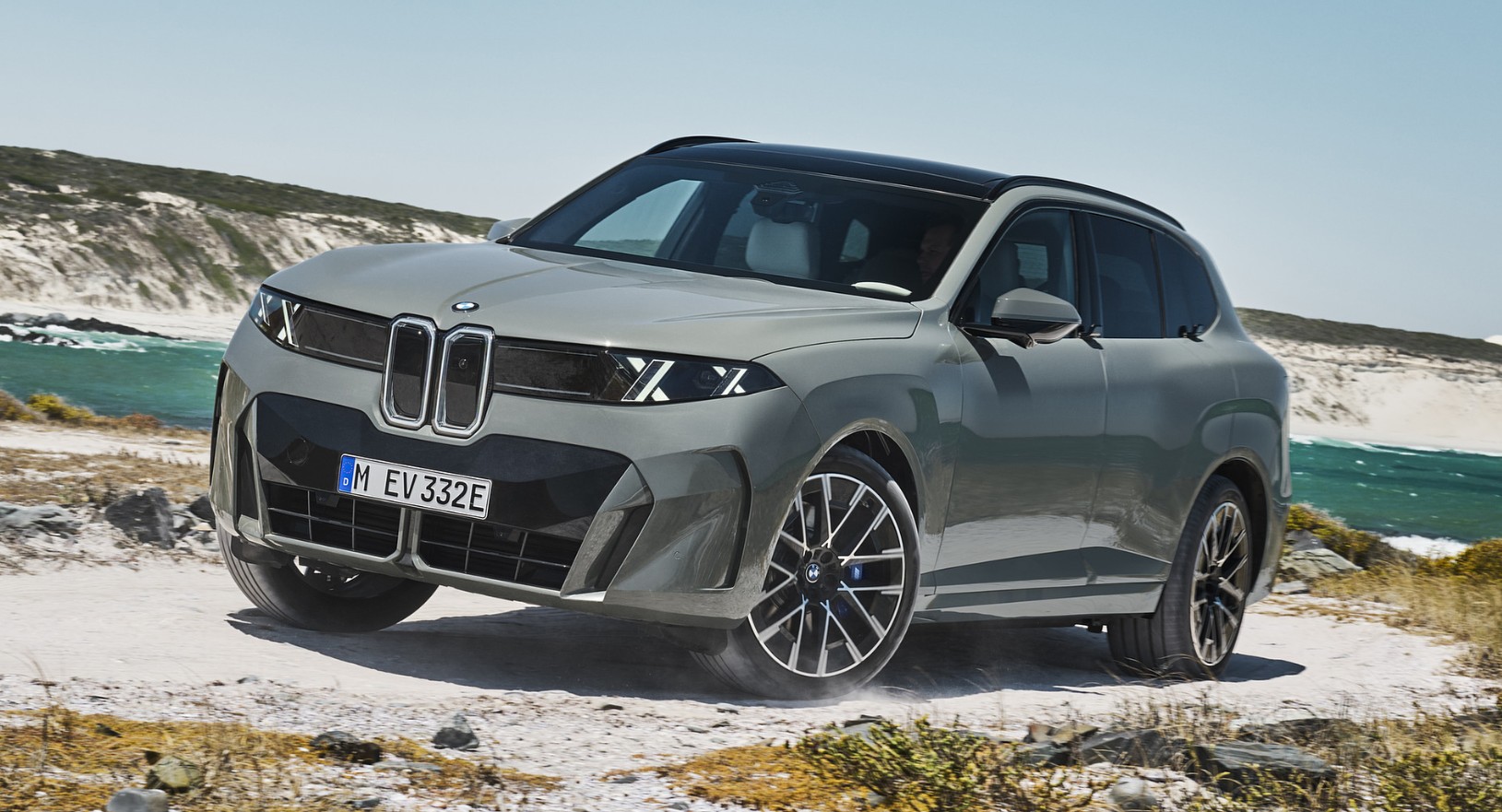
The exterior of the 2027 BMW X5 introduces a more contemporary interpretation of the brand’s luxury SUV design. Its redesigned front fascia, distinctive lighting signature, sculpted bodywork, and carefully integrated aerodynamic details create a more sophisticated overall appearance. BMW has worked to give the vehicle a stronger visual identity without relying entirely on oversized styling elements. The proportions remain recognizably X5, with a substantial body, elevated driving position, and confident road presence. The new design is intended to communicate both luxury and performance, making the SUV suitable for city driving, long-distance travel, and demanding highway conditions.
The side profile emphasizes the vehicle’s substantial proportions and refined body surfacing. Carefully shaped panels, modern wheel designs, and a more integrated treatment of the exterior details contribute to a cleaner appearance. The rear design continues the same modern direction, combining distinctive lighting elements with a practical tailgate arrangement and a strong visual stance. Aerodynamic improvements are particularly important for the electric iX5, where reducing air resistance can help extend driving range. However, these improvements also benefit conventional models by supporting efficiency and reducing unnecessary aerodynamic drag. The exterior redesign therefore serves both visual and engineering purposes.
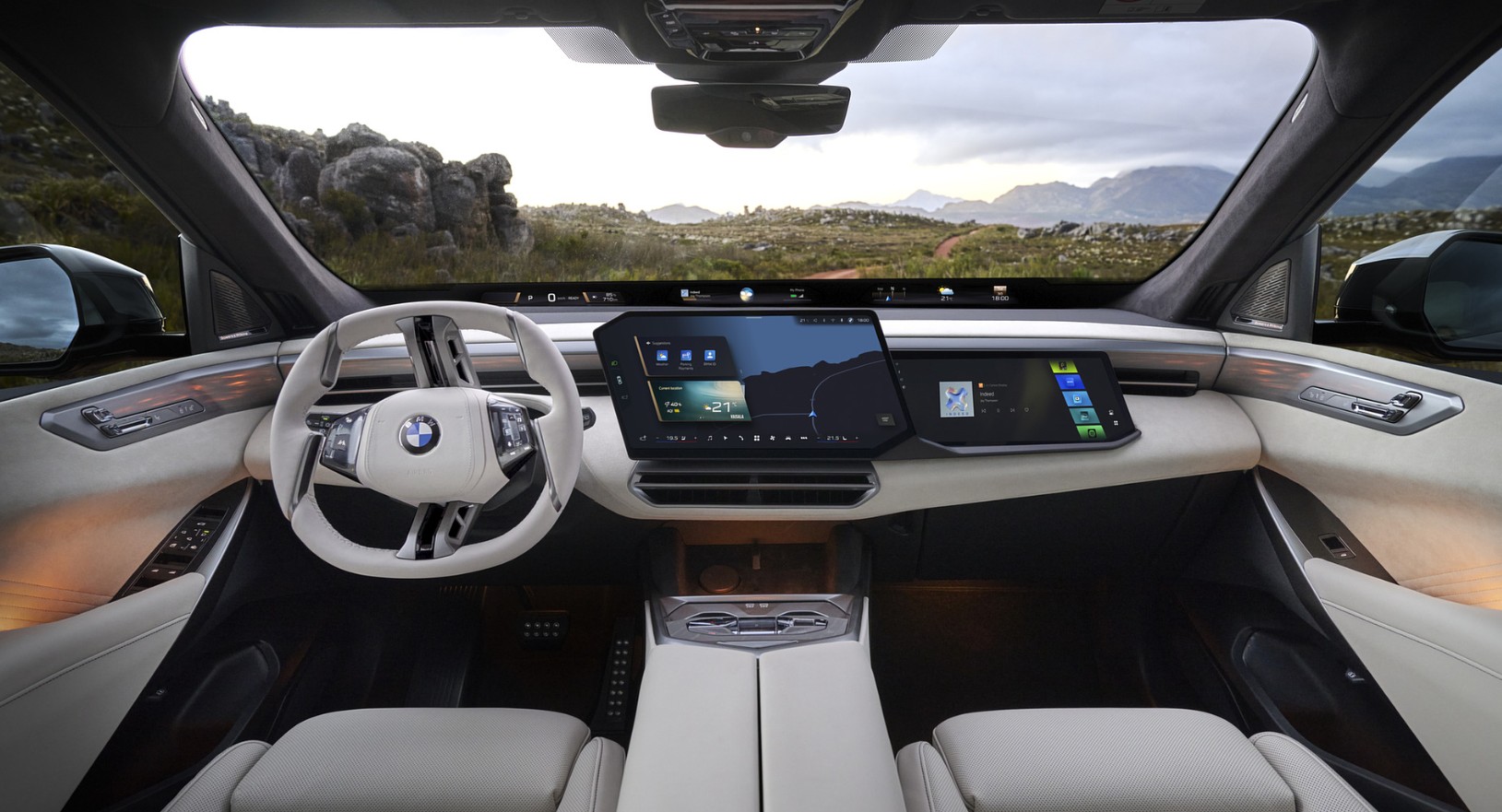
Inside, the 2027 BMW X5 places a strong emphasis on space, comfort, and digital convenience. The cabin adopts a more modern design approach, with an uncluttered dashboard layout and advanced BMW digital interfaces. Materials, surface finishes, seating arrangements, and lighting are designed to create an upscale environment suitable for both everyday commuting and extended journeys. BMW’s latest digital experience is a major part of the interior transformation, bringing together touchscreen controls, voice interaction, and connected vehicle functions. The objective is to make important information easier to access while reducing unnecessary complexity for the driver.
Technology also extends to the passenger experience. Depending on market specification and equipment, the new generation introduces advanced screen-based entertainment and productivity functions, including a dedicated passenger display. BMW’s updated Intelligent Personal Assistant adds more sophisticated voice interaction and AI-supported functionality. These systems are intended to make navigation, entertainment, vehicle settings, and selected connected services more convenient. The spacious cabin and premium seating environment remain essential parts of the X5’s appeal, especially for families and buyers who regularly travel with passengers. Overall, the interior combines modern digital technology with the comfort and refinement expected from a high-end BMW SUV.
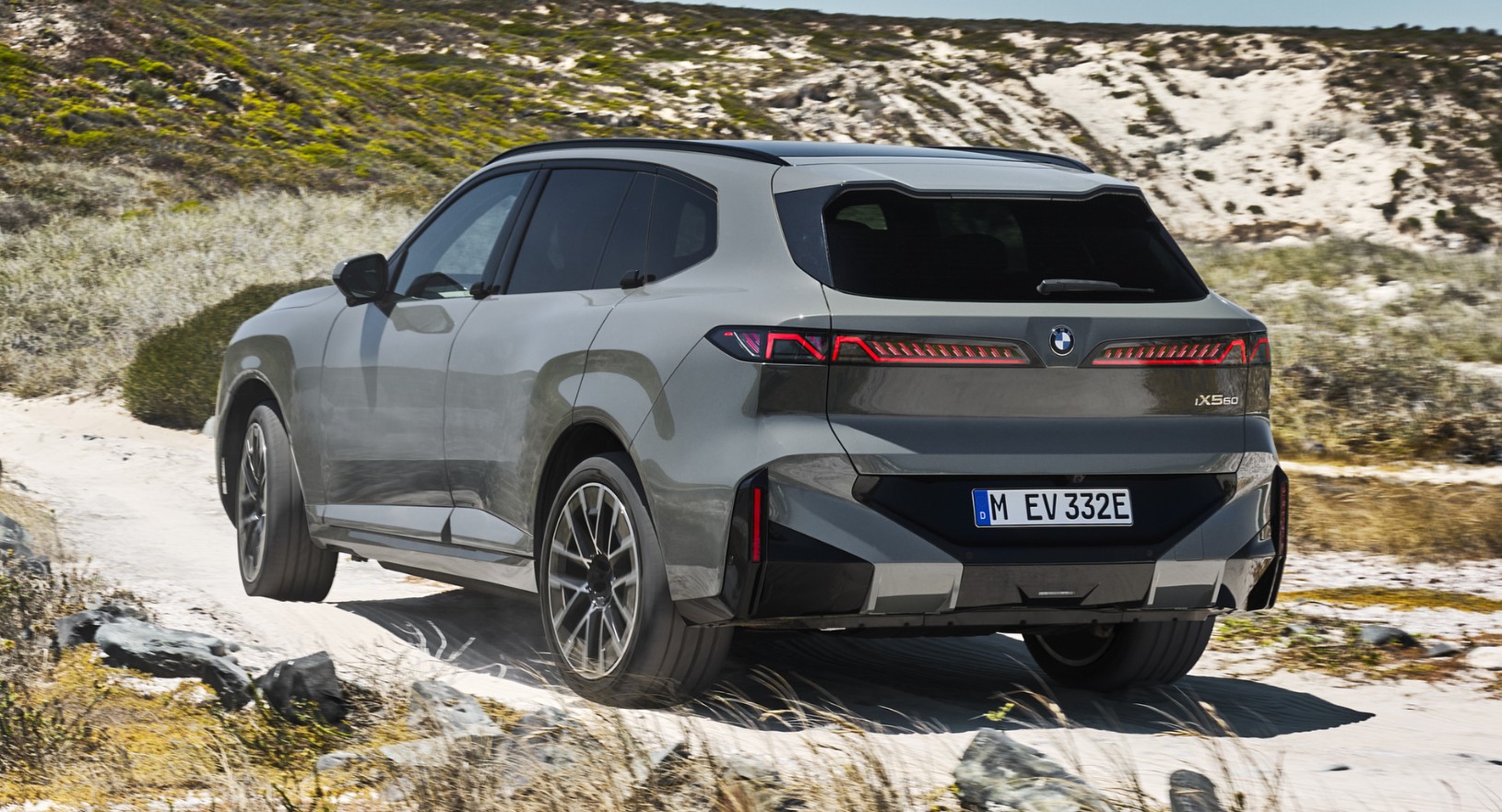
The 2027 BMW X5 receives a comprehensive redesign that introduces the brand’s latest styling language to its established luxury SUV formula. The fifth-generation model features a more modern interpretation of BMW’s familiar design elements, with cleaner body surfaces, a confident front-end appearance, and a more integrated relationship between exterior styling and aerodynamic efficiency. The Neue Klasse influence is particularly important because it brings the X5 closer to BMW’s next generation of vehicles without removing the strong identity that has made the model recognizable. The result is a luxury SUV designed to look contemporary while retaining the commanding proportions expected from a premium midsize vehicle.
The redesign also represents a substantial technological update rather than simply a change in appearance. BMW has incorporated its latest modular technology systems, including improvements to vehicle electronics, digital interfaces, electrification, and intelligent driving assistance. The new generation is designed around a flexible engineering approach that supports several types of propulsion without forcing customers into a single technology. This flexibility is particularly relevant as global markets continue to develop at different speeds in terms of charging infrastructure, fuel availability, emissions regulations, and consumer preferences. The 2027 X5 therefore combines a common vehicle identity with powertrain choices tailored to different regions.
BMW’s development strategy also places greater emphasis on efficiency, sustainability, and the use of advanced materials. The new platform and manufacturing approach are intended to improve the overall vehicle package while supporting the requirements of conventional and electrified versions. Battery-electric models require different cooling, electrical, and energy-management systems from gasoline-powered vehicles, while plug-in hybrids must balance battery capacity with the packaging requirements of combustion engines. Integrating these technologies into one model family creates engineering challenges, but it also provides buyers with more flexibility. The fifth-generation X5 demonstrates BMW’s intention to make electrification an important part of its mainstream luxury SUV range rather than treating it as a separate product category.
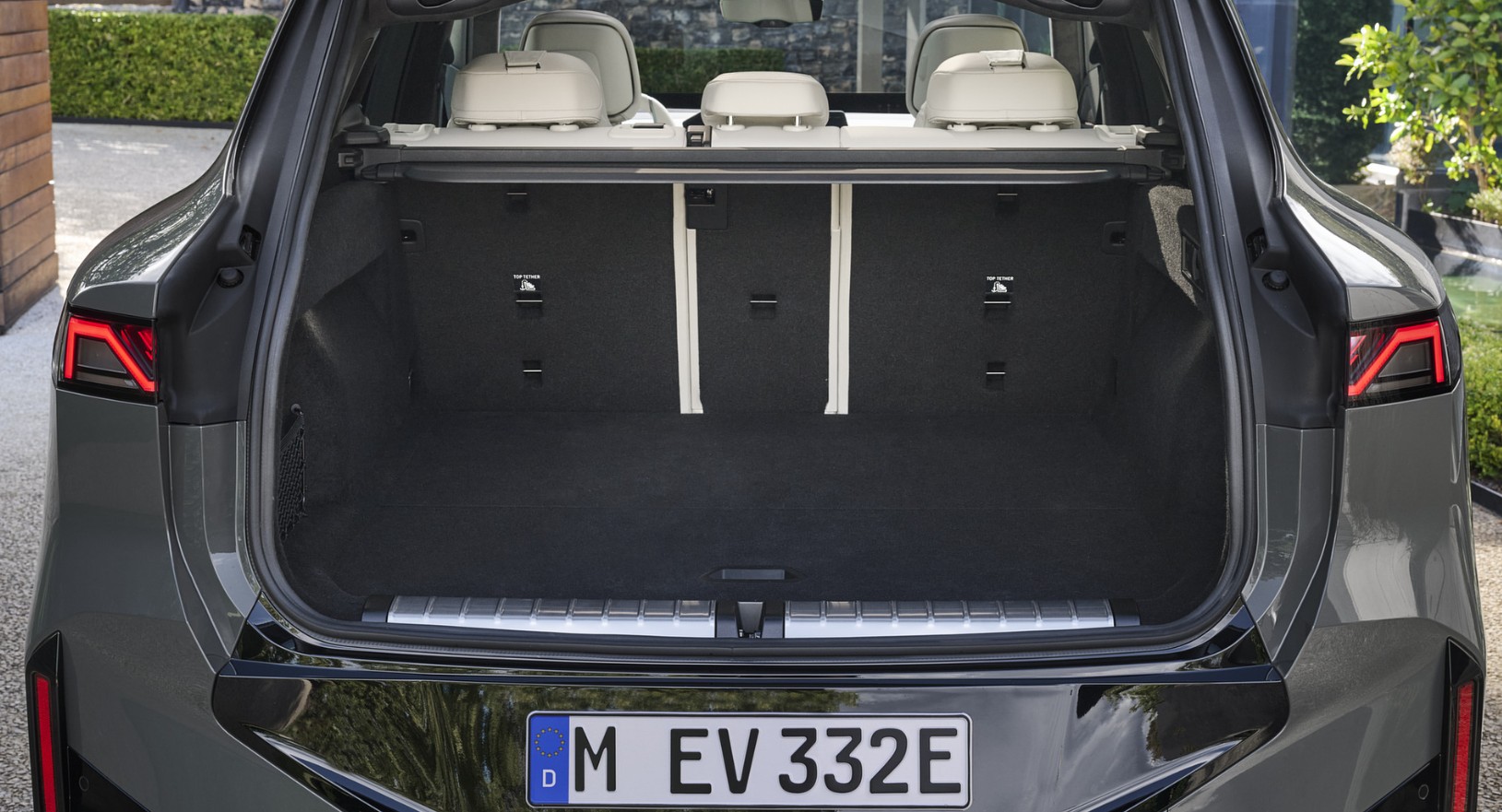
Another important development is the planned expansion of the X5 lineup beyond its initial launch versions. BMW has confirmed that the fifth-generation model will eventually offer five propulsion approaches, including gasoline, diesel, plug-in hybrid, battery-electric, and hydrogen fuel-cell technology. The hydrogen version is planned for a later stage, with production development targeting 2028. This broad strategy gives the X5 a longer-term role in BMW’s transition toward lower-emission mobility. Instead of replacing every traditional engine immediately, BMW is developing different solutions for different customer requirements. For buyers, the most important result is a new X5 that offers a wider choice of technologies while preserving the luxury, performance, and practicality associated with the nameplate. 2027 BMW X5 Release Date
2027 BMW X5 Specs
Engine & Performance
The 2027 BMW X5 introduces one of the most extensive powertrain selections ever offered within a single BMW model family. The conventional engine lineup includes gasoline and diesel options equipped with 48-volt mild-hybrid technology. This electrical assistance is designed to improve energy recovery, support smoother engine operation, and enhance overall efficiency. Rather than replacing the combustion engine, the mild-hybrid system works alongside it to improve the driving experience. These versions remain attractive for customers who prefer traditional refueling convenience and the familiar characteristics of internal-combustion performance. BMW’s six-cylinder engine configurations are expected to remain particularly important in markets where long-distance capability and strong highway performance are priorities.
The plug-in hybrid BMW X5 50e xDrive provides another option for customers who want electric driving capability without completely depending on public charging infrastructure. Its combination of a combustion engine, electric motor, and rechargeable battery allows the vehicle to operate using electric power for suitable shorter journeys while retaining the flexibility of conventional fuel for longer trips. BMW has announced a combined system output of 360 kW for the Australian-market specification, with an electric driving range of up to 102 kilometres under the WLTP testing cycle. Actual results will depend on market specification, driving conditions, temperature, and equipment. The plug-in hybrid configuration is particularly appealing to owners who can charge at home and regularly complete shorter daily journeys.
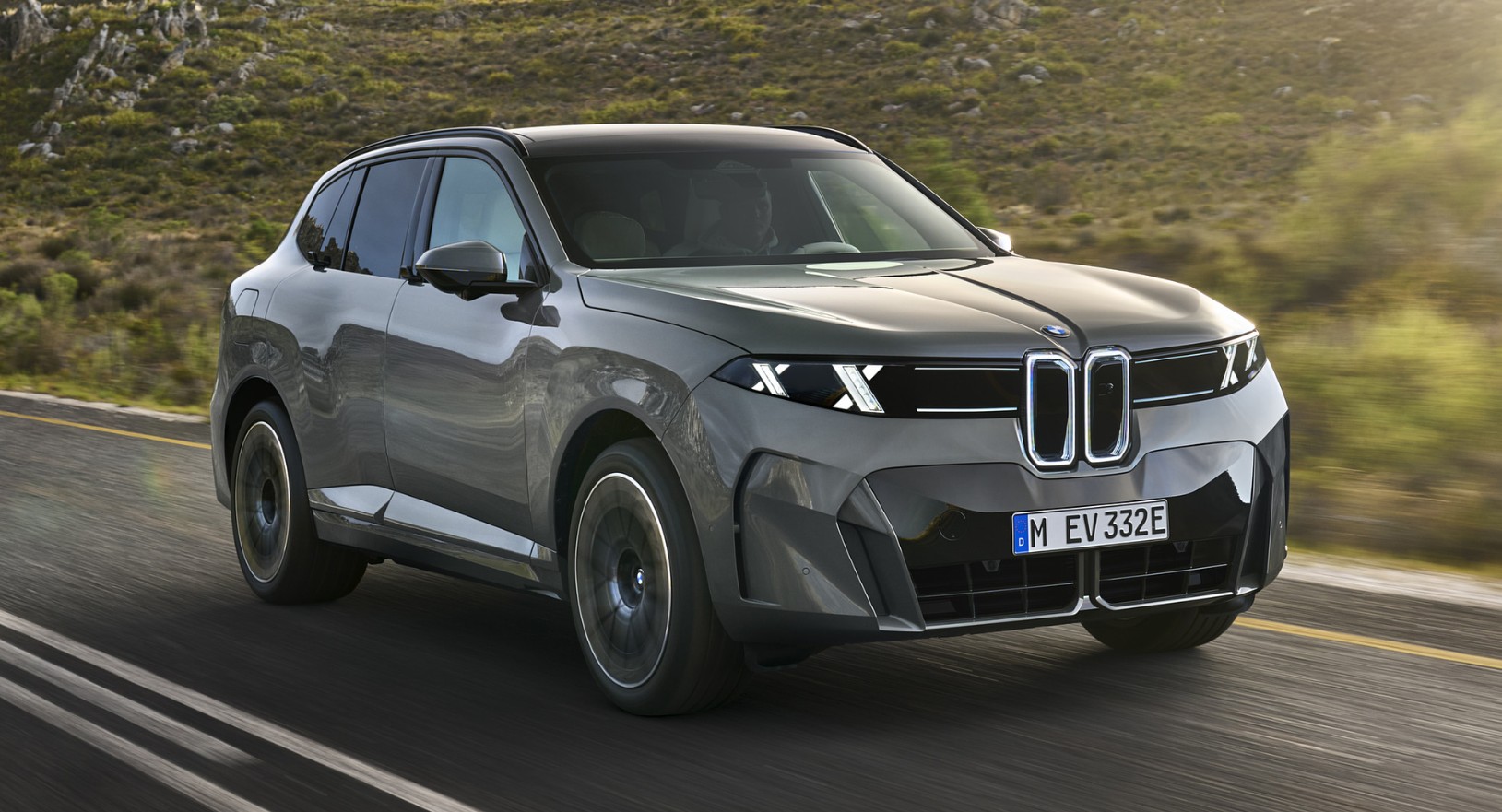
The fully electric BMW iX5 60 xDrive represents one of the most important additions to the fifth-generation lineup. It uses BMW’s sixth-generation eDrive technology and an 800-volt electrical architecture designed to support high-performance charging and improved energy management. The Australian-market specification lists an output of 425 kW and 805 Nm of torque, with acceleration from zero to 100 km/h in approximately 4.6 seconds. BMW has also announced a preliminary driving range of up to 435 miles for the US-market version, while the Australian WLTP estimate reaches up to 845 kilometres. These figures use different testing standards and should not be compared directly. The iX5 also supports high-power DC charging, with a maximum charging capability of up to 460 kW in the announced Australian specification.
BMW’s longer-term strategy also includes a hydrogen fuel-cell version of the X5, which is expected to enter series production from 2028. The planned iX5 Hydrogen is intended to combine electric driving characteristics with the convenience of relatively quick hydrogen refueling. BMW has discussed a potential driving range of up to 750 kilometres for this development, although final certified figures and production specifications remain subject to confirmation. The hydrogen system is designed to preserve passenger and luggage space by packaging its storage components efficiently within the vehicle. Together, the gasoline, diesel, plug-in hybrid, battery-electric, and hydrogen approaches demonstrate how BMW intends to maintain the X5’s versatility while responding to changing global mobility requirements.
2027 BMW X5 Fuel Economy
Fuel economy will vary significantly across the 2027 BMW X5 range because each powertrain uses a different energy source and operating system. The gasoline and diesel versions benefit from 48-volt mild-hybrid assistance, which can help reduce fuel consumption in suitable driving conditions. However, final official consumption figures depend on engine selection, drivetrain, wheels, equipment, and the market’s certification procedure. The plug-in hybrid X5 50e xDrive offers the potential for substantially reduced fuel use when its battery is charged regularly and a large proportion of daily driving can be completed electrically. Once the battery’s usable electric energy has been depleted, the combustion engine becomes increasingly important to overall efficiency.
The electric iX5 removes conventional fuel consumption from the driving equation and instead measures efficiency through electrical energy use and driving range. Its sixth-generation battery technology, 800-volt architecture, and aerodynamic development are intended to improve the relationship between battery capacity, charging speed, and real-world usability. BMW’s preliminary US estimate of approximately 435 miles and the Australian WLTP estimate of up to 845 kilometres provide an indication of the model’s intended long-distance capability, although actual range will depend on speed, climate, road conditions, passenger load, and accessory use. For buyers comparing the different versions, the most suitable choice will depend on whether they prioritize traditional refueling, home charging, electric commuting, or maximum flexibility. 2027 BMW X5 Release Date
2027 BMW X5 Safety Features
Safety remains an essential part of the 2027 BMW X5’s premium positioning. The new generation incorporates advanced driver-assistance technology designed to support the driver in a wide variety of traffic situations. Depending on market and equipment configuration, the available systems are expected to include functions such as adaptive cruise control, lane assistance, collision warnings, parking assistance, and camera-based monitoring. These technologies can help reduce driver workload during highway journeys, improve awareness in busy traffic, and make parking a large luxury SUV easier. Their effectiveness still depends on correct operation and driver attention, but they represent an important part of the modern X5’s overall safety package.
BMW’s latest electronic architecture also supports a more integrated approach to driver assistance. The vehicle’s sensors, cameras, computing systems, and software can work together to interpret the surrounding environment and provide appropriate assistance. The company has highlighted its Symbiotic Drive and Heart of Joy control systems in connection with the electric iX5. These technologies are designed to coordinate vehicle responses and improve the relationship between driver inputs and the vehicle’s acceleration, braking, and handling behavior. Their introduction demonstrates how BMW is expanding the role of software and electronic control beyond infotainment and convenience functions. The new X5 is therefore designed to deliver a more connected driving experience while supporting important aspects of vehicle control.
2027 BMW X5 Release Date & Price
The 2027 BMW X5 lineup is structured around different powertrain configurations rather than a single universal specification. The initial range includes the X5 40 xDrive, followed by the rear-wheel-drive X5 40, plug-in hybrid X5 50e xDrive, and fully electric iX5 60 xDrive. Additional versions, including a V8-powered M Performance model, are scheduled to expand the lineup later in 2027. Individual markets may receive different engine combinations, equipment packages, and model names. This means buyers should distinguish between the global product strategy and the exact vehicles offered by their local BMW distributor. The availability of a particular engine or trim should not be assumed to be identical across every country.
For the US market, BMW has announced starting prices of $69,800 for the X5 40, $72,100 for the X5 40 xDrive, $77,500 for the plug-in hybrid X5 50e xDrive, and $79,800 for the all-electric iX5 60 xDrive. These prices exclude the announced $1,450 destination and handling charge. The figures provide a useful starting point for understanding the positioning of the new range, but they are not universal international prices. Optional packages, taxes, dealer charges, import duties, and local equipment specifications can change the final purchase price considerably. Buyers should therefore use their country’s official BMW pricing information when comparing the X5 with competing luxury SUVs.
The launch schedule is being introduced in stages. BMW announced the fifth-generation X5 on June 30, 2026, with production scheduled to begin in August 2026 at BMW Group Plant Spartanburg in South Carolina. The initial US-market rollout begins with the X5 40 xDrive in October 2026. The rear-wheel-drive X5 40, plug-in hybrid X5 50e xDrive, and battery-electric iX5 60 xDrive are scheduled to follow in the first quarter of 2027. Additional models, including the V8-powered M Performance variant, are planned for later in 2027. The hydrogen-powered version is part of the longer-term development strategy, with series production planned from 2028.
For buyers in international markets, including Southeast Asia, the launch schedule and pricing may differ from the US introduction. Local distributors must confirm the available powertrains, specifications, equipment levels, warranty coverage, and delivery dates. Import duties, vehicle taxes, currency movements, and local regulations can also have a substantial effect on the final price. Customers considering the 2027 BMW X5 should pay particular attention to the differences between the gasoline, diesel, plug-in hybrid, and electric versions before placing an order. The new generation offers more choices than its predecessor, but the most suitable configuration will depend on local availability and individual driving requirements.
Conclusion
The 2027 BMW X5 represents a substantial step forward for one of BMW’s most successful luxury SUV nameplates. Its fifth-generation redesign introduces Neue Klasse styling, a more advanced digital cabin, updated driver-assistance technology, and an unusually broad selection of powertrains. The availability of gasoline, diesel, plug-in hybrid, and fully electric versions gives buyers greater freedom to select a vehicle that matches their needs. The planned hydrogen-powered model further demonstrates BMW’s long-term commitment to developing multiple approaches to future mobility.
For customers seeking a premium SUV that combines performance, practicality, advanced technology, and everyday comfort, the new X5 deserves serious consideration. The plug-in hybrid offers a useful balance between electric commuting and long-distance flexibility, while the iX5 provides a fully electric alternative with high charging capability and impressive preliminary range figures. Traditional engine options remain important for customers who prefer conventional refueling and established driving characteristics. With its redesigned platform, expanded powertrain lineup, and modernized interior, the 2027 BMW X5 is positioned to remain a major competitor in the premium SUV market.
Note: The information in this blog post was based on pre-release material that was accessible at the time of publication. For the most up-to-date information, get in touch with your neighborhood dealership or refer to official sources.